


WHY KEPONG FEELS DIFFERENT NOW
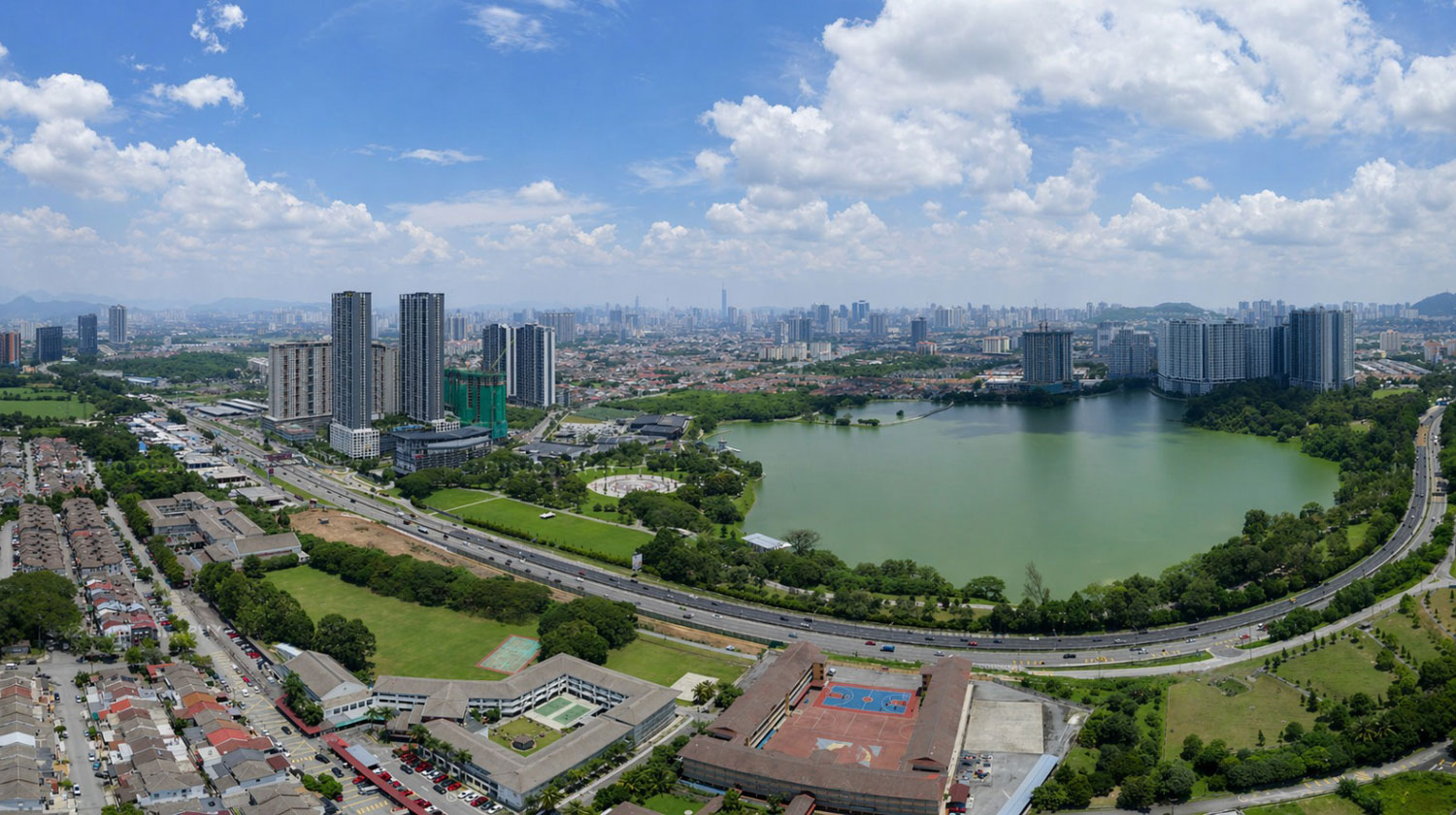
Kepong has been around long enough to be called established, but that is exactly why its recent shift feels more interesting. This is not a brand-new location trying to manufacture appeal from scratch. It is an older, familiar part of Kuala Lumpur that is starting to evolve in a more noticeable way, helped by stronger connectivity, lifestyle-led development and demand that comes from people who already know the area well.
That is what gives Kepong a different investment angle. Instead of relying purely on hype, it is building on an existing base and slowly changing how people see it. In other words, this is less about a sudden boom and more about reinvention.
The Old Kepong Image Is Giving Way To Something Newer
For a long time, Kepong was viewed mainly as a mature, practical township with working-class roots. It was familiar, functional and lived-in. But newer projects, lifestyle spaces and more polished residential offerings are changing that perception. Even broad neighbourhood profiles now describe Kepong as an older part of KL that also has greenery and modern developments, which captures this in-between moment quite well.
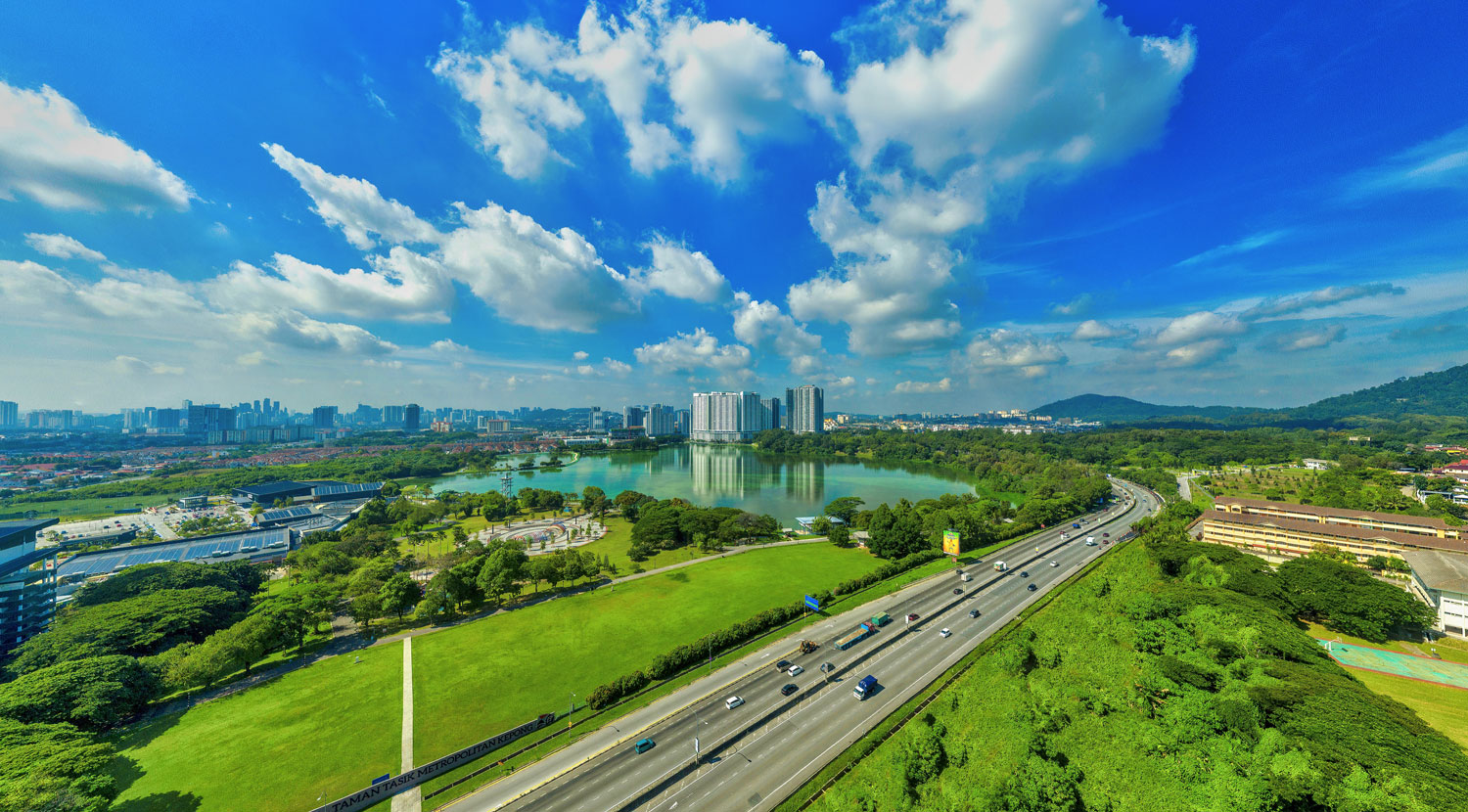
This is where the article’s real angle sits: Kepong is no longer just “old Kepong.” It is
starting to feel like “new Kepong” – still grounded, but more lifestyle-aware, more designconscious
and more relevant to today’s buyers.
Demand Here Feels Real Because People Are Staying Nearby
One of the most convincing things about Kepong is that demand does not seem to come only from outsiders chasing the next hotspot. A lot of it comes from people who already understand the area and want to stay within it, or at least within the surrounding northern KL belt.
That matters because when buyers are moving within the same broader area, the growth story usually feels more stable. It is driven by familiarity, convenience and genuine lifestage needs, not just excitement. Official census data also supports the case for real housing demand: P.114 Kepong recorded a population of 106,199 in MyCensus 2020.
Connectivity Has Made Kepong Easier To Notice
The MRT Putrajaya Line has helped shift how accessible Kepong feels. With the full line open since March 2023 and stations such as Metro Prima and Kepong Baru serving the area, Kepong is now better plugged into the Klang Valley than many people may remember.
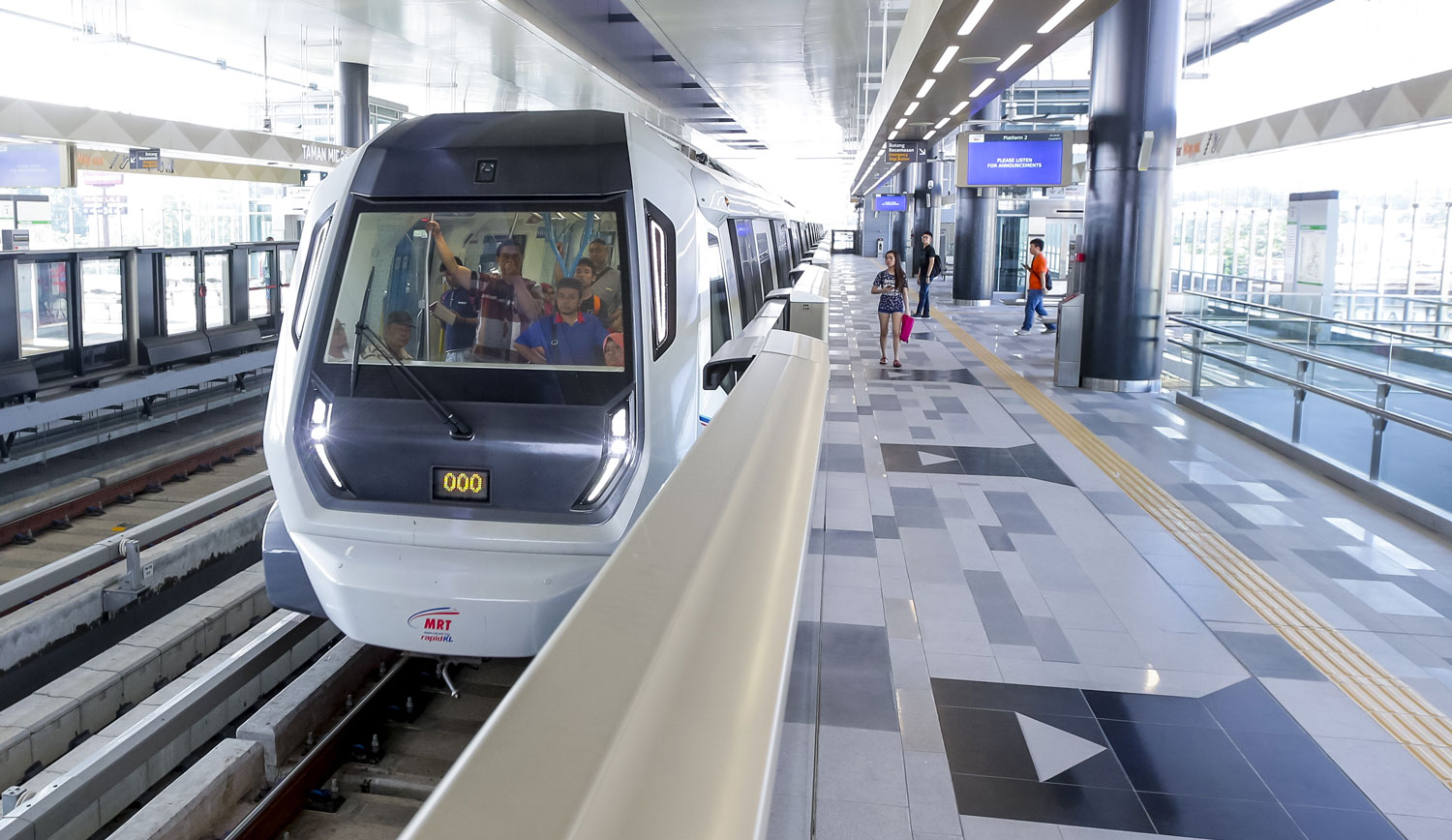
Better transport does not just improve convenience. It tends to change how an area is perceived. Once commuting becomes easier, a place that used to feel slightly removed can start to feel far more connected and practical. For investors, that matters because improved accessibility often widens the pool of future buyers and tenants. The point is not that MRT alone makes an investment good, but that it raises the baseline appeal of the location.
Masterplans Are Helping Reshape The Area’s Image
Kepong’s change in image is also being supported by larger-scale developments. Kiara Bay, for example, has been positioned as a catalyst for the rejuvenation of Kepong, with a 73-acre integrated township concept next to KL Metropolitan Park and plans for waterfront dining, leisure and retail components.
That kind of masterplan matters because it does more than add buildings. It helps reposition the area. It gives Kepong a more lifestyle-led identity and creates the sense that this part of KL is entering a new chapter rather than simply ageing in place.
Lake-Centric And Mixed-Use Living Are Changing Buyer Expectations
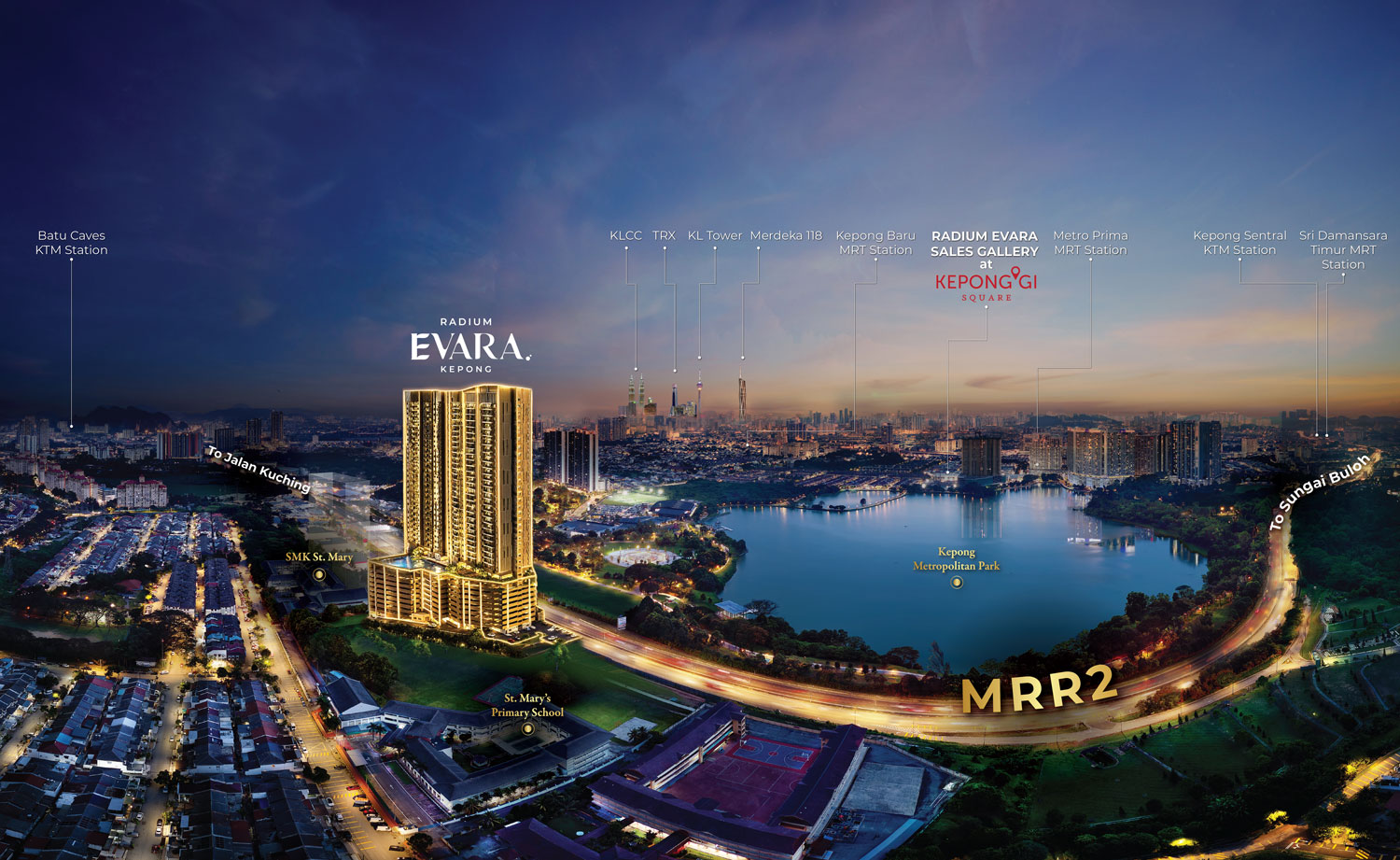
Another reason Kepong feels different today is the growing appeal of developments around Taman Tasik Metropolitan Kepong and the broader lake area. This is where the market starts to move beyond basic practicality. Green views, recreation, walkability and community spaces are becoming part of the conversation. That reflects a wider change in what buyers want from urban living.
This is also why the “old Kepong versus new Kepong” contrast works so well. The old version of the area was largely about function. The newer version is adding lifestyle into the mix.
The Numbers Suggest The Shift Is Not Just Cosmetic
The story sounds nice, but the market data is what makes it more convincing.
PropertyGuru’s Kepong area page shows a median property price of about RM646,000, with annual median price growth at 6.6% CAGR. That suggests Kepong is not only active, but still showing measurable price movement.
Project response has also been strong. In May 2024, reports on Mah Sing’s M Zenya in Kepong highlighted a 92% take-up rate before official launch, which is a strong signal of market appetite when the product and pricing are aligned.
Neighbourhood reporting on the Taman Tasik Metropolitan Kepong area also pointed to capital appreciation. According to EdgeProp, average condominium transaction values rose from RM482 psf in 2022 to RM497 psf in 2024, while average commercial transaction values increased 30.77%, from RM1.3 million in 2023 to RM1.7 million in 2024.
Those figures do not mean every property in Kepong will perform the same way, of course. But they do suggest that the area’s shift is showing up in actual market movement, not just in branding language.
Why This Angle Matters More Than A Generic “Good Investment” Story
If you have already read Is Investing in Kepong Properties Worth It? Honest Market Insights., this article is really the next layer of the story. The more interesting point now is not just whether Kepong is worth considering, but why it feels increasingly different from the version many people remember. That shift in identity, from older working township to more connected, more lifestyle-led urban neighbourhood, is a big part of what makes it worth watching.
And lifestyle still matters here. An area does not become more attractive on numbers alone. Everyday experience plays a role too, which is why Foodie Heaven in Kepong: Top Eats, Options & Local Favourites works nicely as a related read. It reminds people that a neighbourhood’s appeal is not just about transport and pricing, but also about what day-to-day life feels like on the ground.
Final Thoughts
Kepong’s appeal is not built on one dramatic headline. It comes from a mix of things working together: a mature base, stronger connectivity, local demand, large-scale rejuvenation, and a growing shift toward greener, more lifestyle-oriented living.
That is why Kepong is becoming more interesting to investors. Not because it suddenly appeared on the map, but because it is changing in ways that feel credible. And sometimes, that kind of steady reinvention is more compelling than a market built on noise.
Thinking About Making a Move in Kepong?
See what Evara Kepong has to offer – a presence of place, a thoughtfully designed residence crafted with real-life needs of Kepong residents and KL urban living in mind. It’s right where you belong.
References:
- PropertyGuru, Kepong Local Property & Real Estate Trends, News & Guides, median property price and annual price growth.
- The Star, Kepong mixed development celebrates 92% take-up rate – M Zenya take-up rate.
- EdgeProp, Mah Sing officially launches M Zenya serviced apartment in Kepong with 92% take-up, supporting report on M Zenya demand.
- OpenDOSM, P.114 Kepong Kawasanku – population data for Kepong.
- UEM Sunrise, Kiara Bay To Be Catalyst For Rejuvenation Of Kepong – integrated, lakefront, lifestyle-led masterplan angle.
- EdgeProp, UEM Sunrise Bhd unveils the master plan of its Kiara Bay development in Kepong, KL – 73-acre integrated township description.
- EdgeProp, Neighbourhood Lens: Taman Tasik Metropolitan Kepong property values climb, commercial sector soars 30.77%, condo and commercial value growth.
- iProperty, Here are the 4 things nobody ever tells you about Kepong – neighbourhood profile noting Kepong’s mature character, greenery and modern developments.